The Sustainable Water Network (SWAN), a coalition of twenty-six of Ireland’s leading environmental organisations working on water, has launched their new policy position and campaign on aquaculture in Ireland, warning that some current practices in the industry risk undermining Ireland’s obligations under EU water and marine law [1].
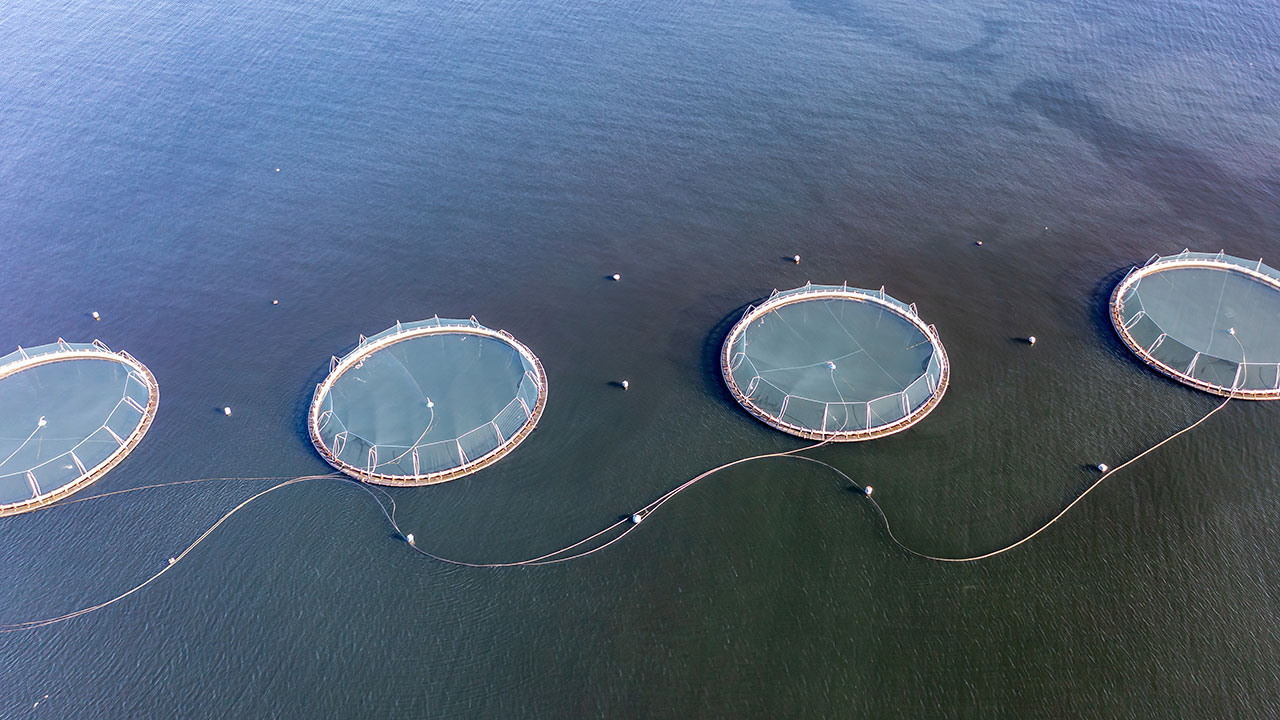
The policy report concludes that open-net salmon farming “cannot be conducted sustainably” because of its damage to water quality, wild fish populations and marine habitats. It points to pollution from uneaten feed and waste, the spread of disease and parasites (such as sea lice), escaped farmed fish, antibiotic use, and other impacts, all despite ‘organic’ certification. The practice is identified as one of the main pressures behind the 90% decline in Ireland’s wild salmon since the 1970s.
SWAN is calling on the government to follow the example of other countries and jurisdictions, such as Denmark and British Columbia, by phasing out open-net salmon farming, with no new or renewed licences permitted during a transition period. The network is running a campaign asking the public to go to their website and sign a petition [2] with this call.
While critical of carnivorous finfish farming, SWAN’s position highlights the potential for restorative and regenerative aquaculture if managed properly.
Emma Armshaw, SWAN Marine and Coastal Policy Officer, said:
“Harmful practices like open-net salmon farming drive the degradation of our coastal waters and fuel the dramatic decline of our iconic salmon. Open-net salmon farms allow the spread of diseases and parasites, such as sea lice, which have been devastating to our wild populations of salmon and sea trout. Adding to this the competition and breeding from farm escapees, we see open-net fish farms being a significant threat to the future of the small number of wild salmon we have left.
The wild salmon holds a deeply prominent place in Irish culture, folklore, and tourism. We can’t let a polluting and cruel practice like this continue to add to this precious fish’s decline.
Many might not realise that, while labelled ‘organic’, the farms discharge faeces, uneaten feed, pesticides, and antibiotics into bays, polluting them further. Wild salmon and sea trout are at risk from the sea lice and disease which spread from open nets. To make matters worse, the farmed salmon are fed wild-caught fish, including sprat, which takes a much-needed food source from Ireland’s iconic and beloved species, such as seabirds, dolphins and whales.
Phasing out these open-net farms from our ocean is essential if we’re to have healthy seas and rivers, thriving wildlife, and flourishing coastal communities. We’re asking people to support this call by signing the petition on our website.
We believe that with reform and investment in more restorative and regenerative forms of aquaculture, Ireland can lead in sustainable marine food production that supports, rather than harms, biodiversity and water quality.”
[1] https://swanireland.ie/wp-content/uploads/2025/10/Aquaculture-in-Ireland-A-Policy-Briefing-2025.pdf
[2] https://swanireland.ie/take-action/ban-open-net-fish-farms/