
The Sustainable Water Network (SWAN) has responded to the EPA’s latest bathing water report, warning that while most of Ireland’s swimming spots meet official standards, this does not reflect the reality experienced at Ireland’s swimming spots throughout the year or the wider pollution picture affecting many waterways. Ongoing pollution and declining water quality show that the Government is still doing far too little to protect our rivers, lakes and beaches.
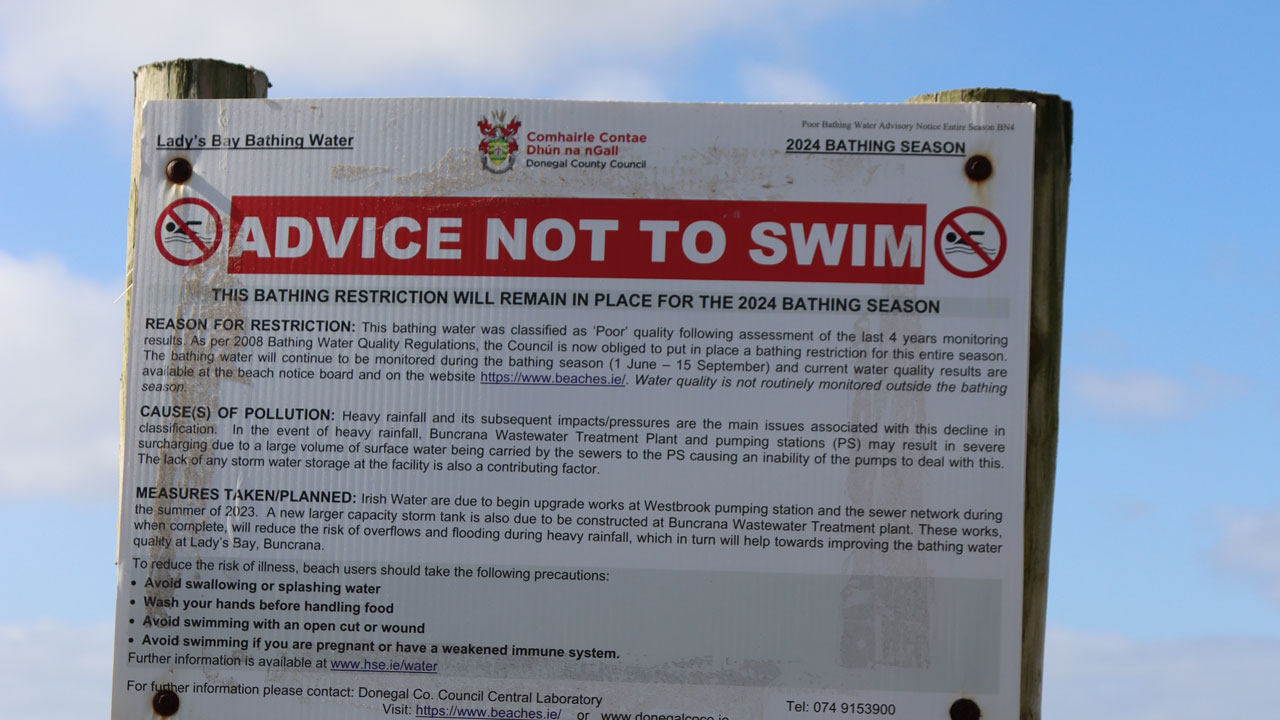
SWAN said there is a need to look past the headline figures and focus on year-round water quality at our swimming spots. Drawing on publicly available data from EPA’s Beaches.ie website, SWAN found that almost half of Ireland’s monitored bathing waters experienced swimming restrictions or warnings during the 2025 bathing season, largely linked to pollution risks following heavy rainfall [1]. These are typically issued when there is a risk of elevated levels of harmful faecal bacteria in the water, mostly associated with overflows of untreated sewage or agricultural runoff.
Moreover, as most swimming spots are not monitored between September and May there are no pollution warnings given in this period, further putting swimmers’ health at risk.
Puneeta Sreenivas, SWAN’s Freshwater Policy Officer said, “The EPA’s headline figures can give the impression that most bathing waters in Ireland are consistently clean, but they don’t tell the full story. We have found that nearly half of the monitored bathing sites had swimming restrictions or warnings in 2025, largely due to pollution [2]. These are typically triggered by the threat of elevated levels of harmful faecal bacteria mostly from sewage overflows and agricultural runoff which can pose significant health risks to swimmers. In 2025, pollution incidents like these doubled from 2024 [3].
An ‘Excellent’ rating is no guarantee that the water is always clean or safe to swim in. Under the EU Bathing Water Directive, classifications are based on samples collected over a four-year assessment period. This means that short-term pollution events can still occur, even at highly rated sites. In simple terms, the classification reflects long-term average water quality rather than real-time conditions on the day people are swimming. SWAN’s analysis found 39% of the sites rated ‘Excellent’ last year still experienced temporary restrictions or pollution warnings during the year [4].”
“Outside of this period, routine monitoring and public warnings are not in place, even though higher rainfall can increase the likelihood of contamination from wastewater overflows and polluted runoff entering waters.”
“This means that people swimming outside the official bathing season may not receive any warning that water quality has deteriorated,” Sreenivas said. “This is particularly important given the growing popularity of year-round swimming and recreational water activities across Ireland.”
“While the EPA advises avoiding swimming for 48 hours after heavy rain in any swimming spot, this is only a short-term solution and should not become accepted as normal. The more effective solution is to address the root causes of pollution in the first place. This requires stronger government action, such as accelerating upgrades to wastewater treatment, stronger measures to reduce agricultural pollution at source and preventing pollution from septic tanks and private treatment systems entering streams that feed bathing waters. Monitoring of bathing waters should also be done outside of the bathing season to protect the growing number of year-round swimmers and recreational water users.”
[1] Using the data available from https://www.beaches.ie/
[2] Using the data available from https://www.beaches.ie/
[3] EPA Bathing Water Quality Report 2025 (Published 2026) https://www.epa.ie/publications/monitoring–assessment/freshwater–marine/EPA-Water-Bathing-Quality-Report-2025-F01.pdf
[4] Using the data available from https://www.beaches.ie/