The Sustainable Water Network (SWAN), a network of 25 Irish environmental organisations, sees the EU Nitrates Committee decision today, to give Ireland another three-year extension of its Nitrates Derogation, as going against what the science is saying, the law is meant to protect, and what is in the best interest of the general public and farmers.
The derogation allows more manure to be stored and used by certain derogation farms than normally allowed in the EU, meaning a higher concentration of livestock across a smaller number of hectares. It legally should only be given when it doesn’t prevent the protection and restoration of our rivers, lakes and seas to good health.
The EPA has reported [1] [2] [3] in recent years that:
- Water quality has declined again after a repeated decline each reporting period since the derogation was given.
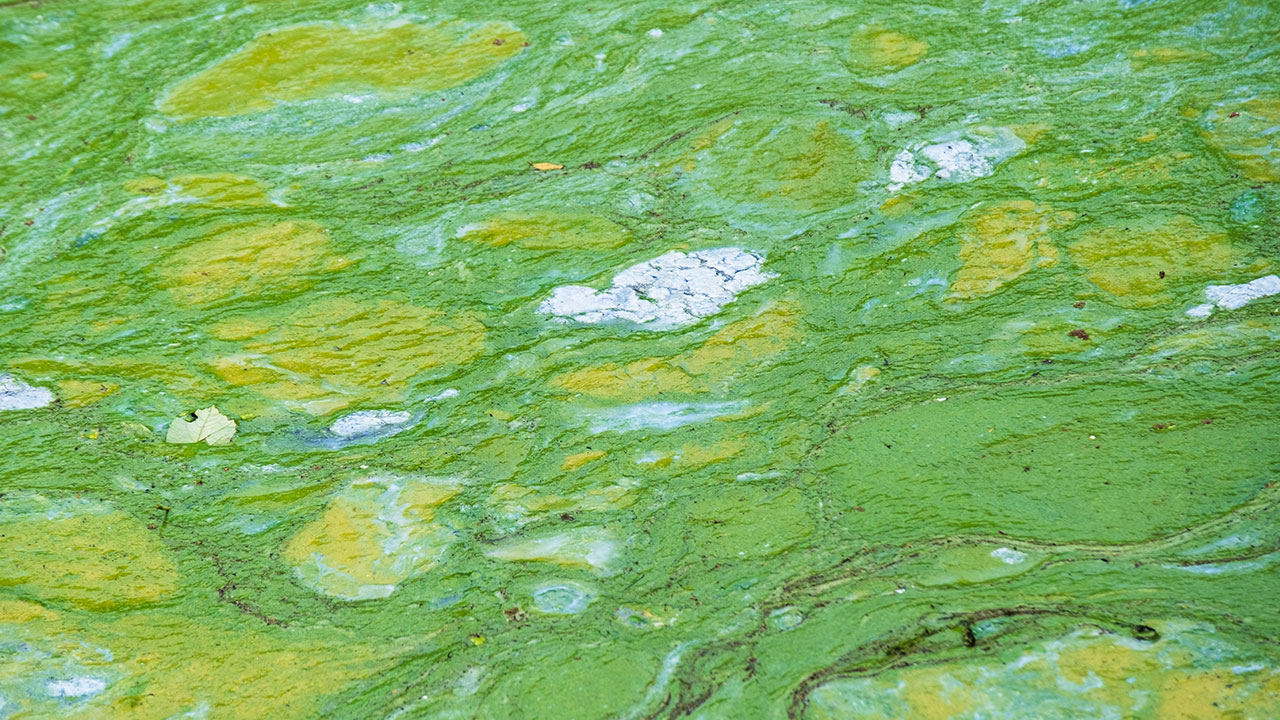
- Agriculture is the most significant pressure on most waterbodies, with nutrient pollution being by far the most significant issue for at-risk waterbodies.
- Nitrogen concentrations have not declined overall in the last nine years.
- Concentrations in the South and Southeast of the country, where most derogation farms are situated, remain way too high.
Despite this extensive evidence against renewal of the derogation for Ireland, some of which is referenced in the decision, the Nitrates Committee has granted a renewal provided a set of weak conditions are met, including that chemical nitrogen is reduced and there are wider buffer zones in some catchments; that the appropriate assessments that should have already been applied are actually in place; and that just one in ten derogation farms are inspected to check if the rules for them have actually been applied. Moreover, these conditions don’t have to be met until 2028. This is way too little and will be way too late for our waterways to be restored to good health as required by the EU’s own laws.
SWAN is calling for a fair and managed transition away from the derogation by 2028, backed by a dedicated transition fund. This would prevent farmers from being locked into more unsustainable intensification, which in three years could leave them set up for an even more difficult forced adjustment off derogation. This is because the right effective measures are not in the Nitrates Action Programme to tackle nitrate pollution that would ensure a derogation next time around.
Sinéad O Brien, SWAN CEO, said, “The evidence simply did not exist to justify renewing Ireland’s nitrates derogation. Science has shown that water quality is not improving; it’s getting worse. The current measures under Ireland’s Nitrates Action Programme lack a solid evidence base, so they cannot deliver the improvements required by EU law. Setting three years to meet many of the conditions in the decision means that water quality will continue to deteriorate in the meantime and so force farmers into the likelihood of a sudden and difficult adjustment down the line. Meanwhile, our precious water and wildlife suffer.”
[1] EPA Water Quality in Ireland 2019-2024 Report (2025) https://www.epa.ie/publications/monitoring–assessment/freshwater–marine/EPA-Water-Quality-in-Ireland-Report.pdf
[2] “Early insights indicator report Nitrogen concentrations in selected major rivers January – June 2025”, EPA (2025). https://www.epa.ie/publications/monitoring–assessment/freshwater–marine/Early-insights-nitrogen-concentration-indicator-Jan-Jun-2025__F03-web-ready.pdf
[3] Update on Pressures Impacting on Water Quality, EPA (2025) https://www.epa.ie/publications/monitoring–assessment/freshwater–marine/Update-on-pressures-impacting-on-water-quality-%E2%80%93-May-2024.pdf
[3] “Water quality monitoring report on nitrogen and phosphorus concentrations in Irish waters 2021” EPA (2021) https://www.epa.ie/publications/monitoring–assessment/freshwater–marine/EPA_NItrogenandPhosporous_Concentrations_2021.pdf