The aquaculture industry in Ireland has grown significantly in recent years, focused mainly on the farming of salmon, oysters and mussels. However, certain types of aquaculture can have negative impacts on our marine environment, including water quality, ecosystems and wild species.
With the Irish government promoting future development of aquaculture in Ireland, it’s imperative this doesn’t come at the expense of water quality and biodiversity. The Water Framework Directive and Marine Strategy Framework Directive require Ireland to meet Good Ecological Status and Good Environmental status (respectively) to keep our seas, rivers and lakes healthy, but many of these Directives’ objectives can be affected by aquaculture.
SWAN has published a policy briefing paper covering the environmental impacts of the aquaculture industry in Ireland, as well as an overview of the global context, European context, Irish industry and various examples of more responsible forms of aquaculture, as well as a full legal analysis of Irish legislation and guidance covering the industry. This briefing formed the evidence base for 10 recommendations (below).
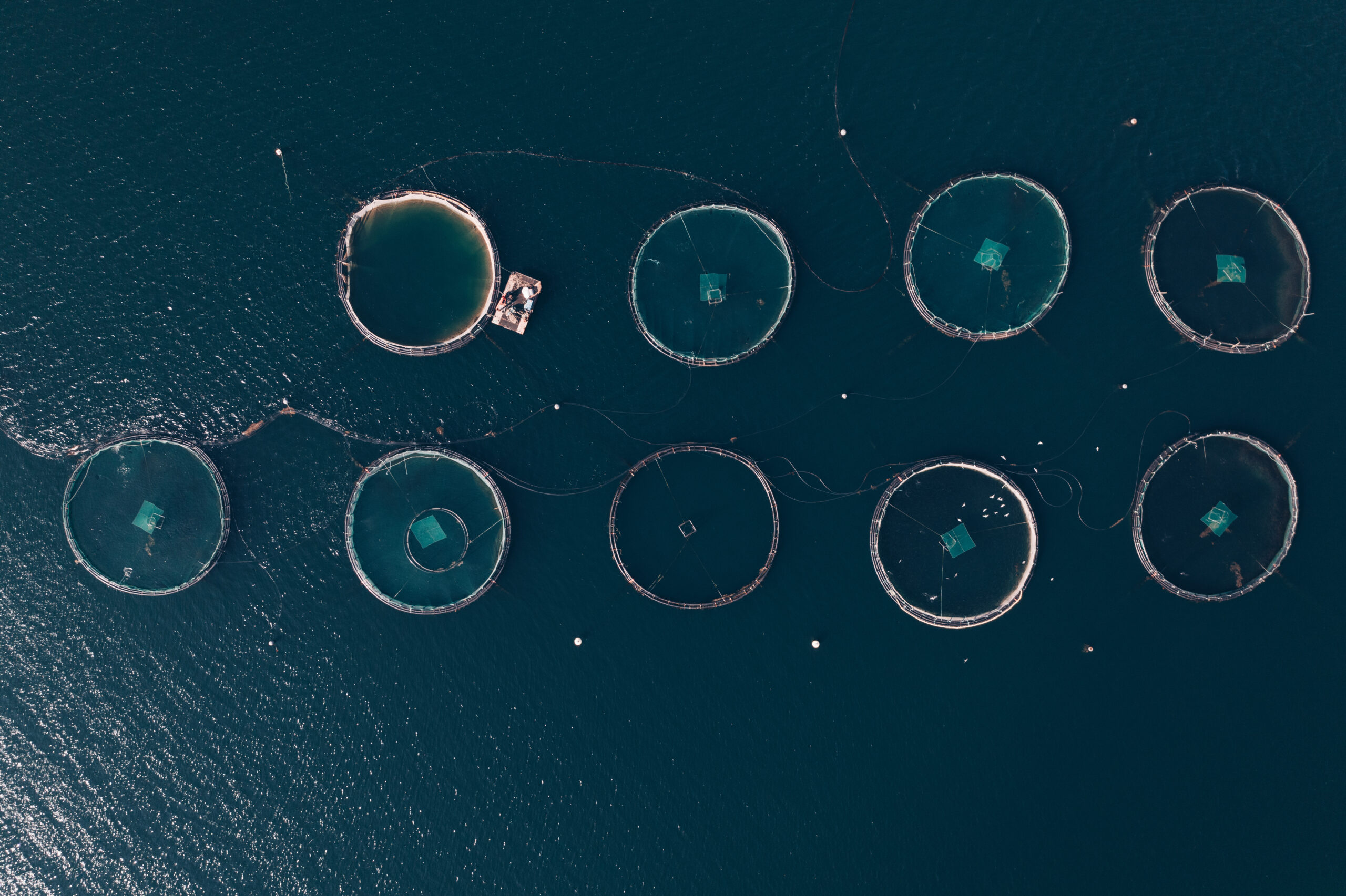
One of Ireland’s main aquaculture activities is salmon-farming, which occurs in open-net cages or pens off our coasts. However, numerous studies from Ireland and other salmon-farming nations have highlighted serious environmental concerns from salmon aquaculture, including:
- Pollution of the surrounding water from the faeces and uneaten food that fall beneath the cages and the antibiotics and pesticides used to treat fish which enters the surrounding water
- Disease and parasites spreading from farmed fish and threatening wild populations, particularly sea lice infestations
- Feed demands for this carnivorous species contributing to overfishing, bycatch and habitat destruction
- Escaped farmed salmon resulting in gene mixing with wild populations, affecting their ability to survive and reproduce
- Inconsistent regulations and poor legal enforcement
The Atlantic salmon has long been an iconic species in Ireland’s rivers and seas, but Ireland’s wild salmon population has dropped from 1.7 million in 1975 to just over 170,000 in 2022, with pressures from aquaculture contributing to this catastrophic decline.
Ireland’s aquaculture industry is in need of significant reform. This includes improving monitoring and regulation to control environmental impacts of the industry, research on development of less impactful and more regenerative and restorative forms of aquaculture and modernised, streamlined licensing.
Given the significant, documented impacts of open-net salmon farming, this practice cannot be conducted sustainably and should be phased out.
- Ban open-net salmon farming
- Remove farmed carnivorous finfish from definitions of sustainable
- Monitor salmon feed
- Review National Strategic Plan for Sustainable Aquaculture
- End EU subsidies to aquaculture and create strategic guidelines for the sector
- Meet requirements of Nature Restoration Law
- Include monitoring of aquaculture in Marine Strategy Framework Directive reports
- Licensing review and reform and Water Framework Directive-specific assessments
- End use of 15% disturbance threshold
- Establish a transparent and independent enforcement system